💼 Case Studies
Examples of my experience as a Design Leader
- Org Growth and Scaling
- eCommerce Strategy & Design
- Player-coach
- Leading AI Adoption
- Leveraging Discovery to Delivery
- Strategic Visioning
- Cross-functional Influence
- Modeling Craft and Acumen
- Service & Systems Design
- Contact Center research
- Research practice from scratch
- Strategic Partnership
- Design System leadership
🛠️ Projects & Products
Projects and Products I've led
My Experience
Strategic Design Visioning
Linking innovative exploration to business value
👇 Skip the preamble and jump straight to the case study:
-

Concept for a factory floor management platform from Exadel
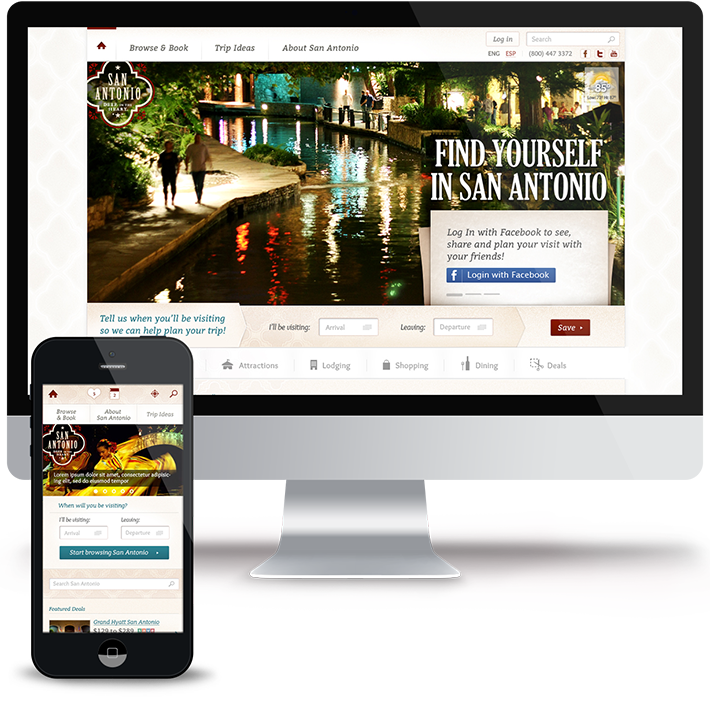
My visioning and storytelling work stretches all the way back to my earlier career in Advertising and in software consulting at Exadel, where imaginative concepts were brought to life to tell a story and win business .
-

Concept for Sheraton from Exadel
More recently, I routinely led my Product Design team at Ozmo through innovative, future-facing visioning exercises to facilitate team collaboration and design strategy - generating regular directional influence.
📱 Countless
adopted features
🔁 Relational
ecosystem experience
🧑✈️ Adaptive UX
AI Innovation
Design visioning connected to business value
I autonomously drove these periodic visioning activities by leveraging recent research, insights and strategically drawing connections to currently desired business outcomes.
I brought my team together away from their typical sprint cadence work to collaborate on future-facing innovative ideas. I believed in this as a huge opportunity for team growth - learning and working on something together, subsequently shaping ideas and prototypes into something they presented to the company.
Comprised of actual gathered insights and data, my team and I were able to look dramatically ahead and reveal visionary possibilities. While the exercises were postured to be throwaway, the typical outcome was that they broadly influenced company strategy and roadmapping.
-

IoT Ecosystem Support Concept App

Here's an example I explored with my team often:
💼 Case:
One repetitive theme that appeared across many of my team’s forward facing experimentation was how impactful an adaptive, intelligent experience would be for our CSR users. I led my team through multiple evolutions of exploring adaptive-copilot experiences searching for opportunities of improving important customer-valued business metrics like handle time and first call resolution.
⚠️ The problem:
Customer Service Representatives attempting to aid a customer with tech support were faced with an overwhelming ecosystem of tools, systems, channels of communications and workflows.
🛠️ Process:
Leveraging a growing stockpile of amassed user insights from research my team had completed over time - including user interviews, focus groups, context inquiries and product feedback, I consistently returned to the realization that the cognitive burden of our users needed to be reduced for improved adoption and usage.
Over several visioning explorations, I led my team back to this problem space intentionally. With the advent of AI impacting our product space, I wanted to examine how an intelligent experience could unfold for our agent users around their customer support issue.
✅ Results:
While the resulting ideas were wonderful, they were always realistically farther away. My team and I envisioned a variety of adaptive experiences ranging from Copilots to intelligent workflows - all adapting to the surrounding CRM systems and tooling that an agent might have access to.
Each time a round of visioning came to fruition, I moved my team slightly back towards reality by asking questions like - What could we accomplish sooner? Or How might we phrase our ideas as Now, Next and Later?
-
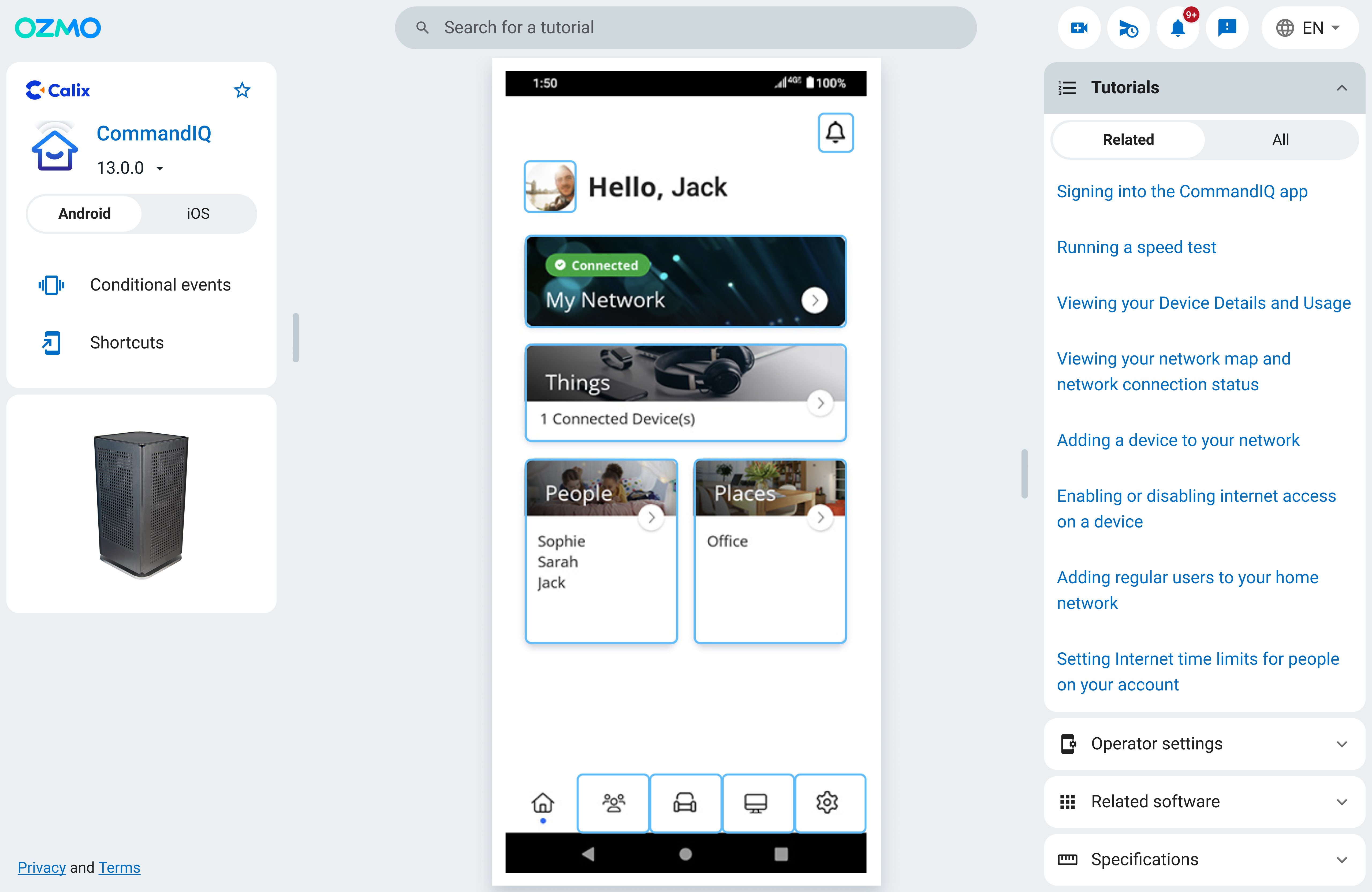
Visioning improvements brought related devices and apps together
To complete each round of exploration, I led my team through a final storytelling exercise where the envisioned ideas were compellingly presented to internal stakeholders. These exercises led to countless product enhancements adopted into the roadmap and often became North Stars of Product alignment.
On top of envisioning the future regularly - exploring adaptive, intelligent experiences, I achieved influencing how our support experiences worked as an ecosystem - rather than isolated device and app contexts that didn’t relate. I also demonstrated new ways our support content and solutions could be formatted with more nuance adapting to the myriad of tech support issues - like Workflows and long-form articles. I even led the way for componentization of facets of our products to work together more strategically within integrated deployments.
Related Articles & Case Studies
ArticleTeam Safety
In the AI era
Founding Design team safety through inclusion
My ExperienceBuilding from scratch
Research Practice
designed around sprint cadence
My ExperienceCross-departmental
Customer Success
partnership built on mutual benefit